
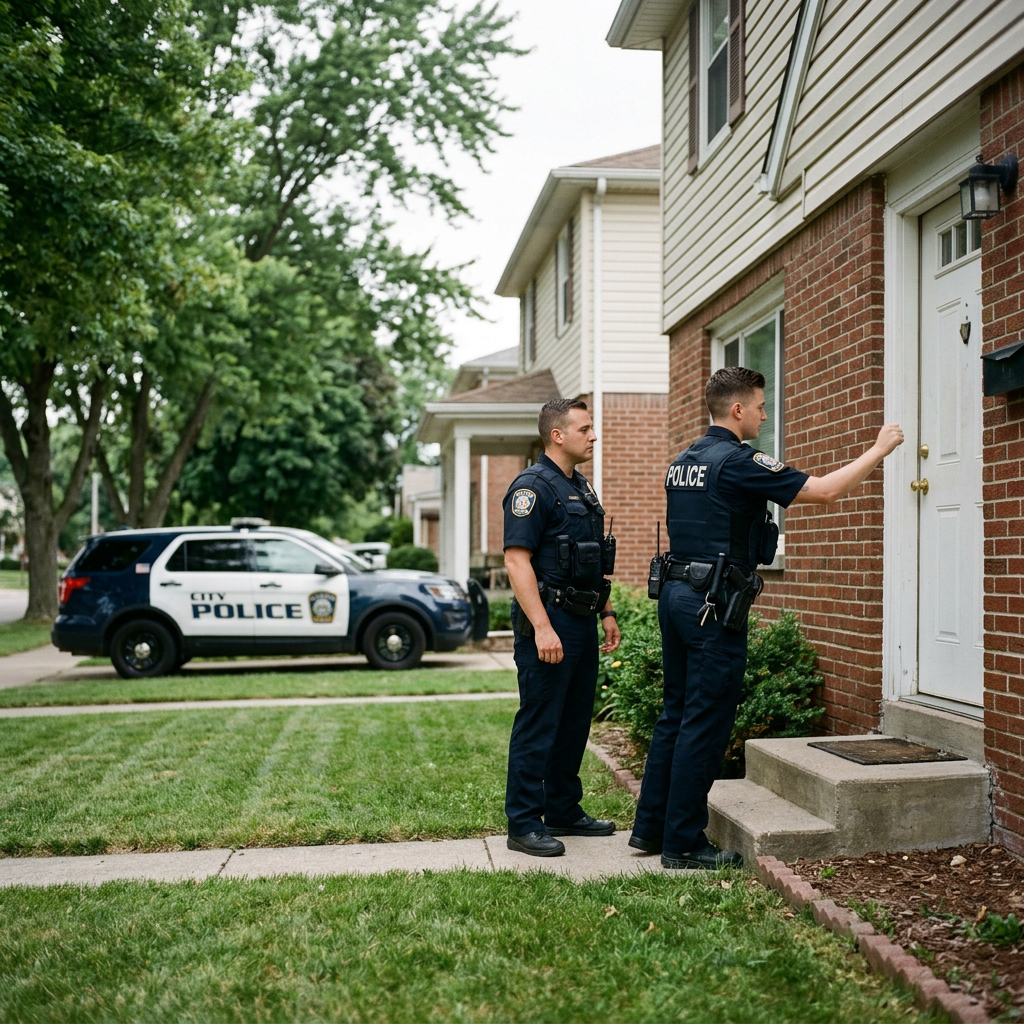
In Massachusetts, your home receives strong legal protection from unreasonable searches. Under the Fourth Amendment of the U.S. Constitution and Article 14 of the Massachusetts Declaration of Rights, the police generally must obtain a warrant before entering and searching a residence. However, there are limited exceptions where the police do not need a warrant.
One exception is consent. If someone with legal authority over the home voluntarily gives the police permission to enter and search, officers may proceed without a warrant. The police may also enter without a warrant in “exigent” (meaning emergency) situations, such as when they need to prevent an immediate threat of serious injury, or stop the destruction of evidence, or prevent a suspect from escaping.
Another exception involves evidence found in plain view. If officers are lawfully inside a home, then see evidence of a crime right in front of them, they may be able to seize it without obtaining a warrant. Additionally, when police make a lawful arrest inside a home, they may search the person arrested, and the immediate area within that person’s control, for safety reasons.
If none of these exceptions apply, you have the right to refuse a warrantless search. If the police show up at your door and ask to come in, you can ask them why. If they say that they want to search your home (either for evidence or for a person who may be there), you can clearly and respectfully state, “I do not consent to a search of my home without a warrant.” If the police conduct an unlawful search, and you get charged with a crime, your defense attorney may file a motion to suppress, asking the court to exclude evidence obtained in violation of your rights.
Understanding your rights during a police encounter can help protect your privacy and ensure that law enforcement follows the legal requirements for searching your home. If you live in Massachusetts and have questions about this, please feel free to contact me at 617-935-7657 or attypetercole@gmail.com.
Leave a Reply